Improving Primary Care for Patients with Opioid Use Disorder

It will also provide suggestions for coping with opioid use disorder or assisting a loved one who struggles with opioid misuse. WHO also supports countries in monitoring trends in drug use and related harm, to better understand the scale of opioid dependence and opioid overdose. Worldwide, about 296 million people (or 5.8% of the global population aged 15–64 years) used drugs at least once in 2021.
Opioid and Opiate Withdrawal
The availability and volume of prescription opioids, especially in North America, Western Europe and Australia, make them easier to access. Opioid use disorder (OUD) is a mental health condition in which a problematic pattern of opioid misuse causes distress and/or impairs your daily life. The opioid crisis refers to the rapid increase in the number of fatal overdoses in the United States since the 1990s. According to the Centers for Disease Control and Prevention (CDC), there were nearly 645,000 fatal overdoses involving opioids from 1999 to 2021. Once you’ve been addicted to a drug, you’re at high risk of falling back into a pattern of addiction.
- The project regularly brings a mobile shower unit with two stalls, fresh clothes and a small medicine cabinet with over-the-counter medications to the site near the corner of North and California avenues.
- Perfectly Flawed, for its part, would use the money to expand from a minivan to something bigger, founder and executive director Luke Tomsha said.
- Depression, anxiety, and other mental health disorders can increase the likelihood of turning to opioids as a form of self-medication.
- Your doctor may diagnose withdrawal based on your symptoms and a physical exam.
Products & Services
- This can lead to changes in brain function that cause you to develop a powerful urge to take opioids.
- Healthcare professionals use naloxone, which people can get under the brand names Narcan or Evzio, to treat an opioid overdose.
- Is your family member or friend using opioid medicines in a harmful way?
- Because an addiction overpowers the brain’s sense of awareness and judgment, a person may not realize how their actions have affected their loved ones.
- Only half of countries provide access to effective treatment options for opioid dependence and less than 10% of people worldwide in need of such treatment are receiving it (5).
- It should be managed and monitored by medical professionals who are properly trained to treat the condition.
They may also take opioids or related substances to relieve or avoid these symptoms. They may have tolerance symptoms, such as needing increased amounts of opioids to produce the same effects. They may also experience reduced effects when using the same amount of opioids. If you’re not ready to approach a health care provider or mental health professional, help lines or hotlines may be a good place to learn about treatment. You can find these lines listed on the internet or in the phone book.
Novel experimental treatments
Opioids can lead to physical dependence within a short time — as little as four to eight weeks. People who use opioids for a long period of time can actually experience worse chronic pain because of the long-term toxic effects of opioids on pain signaling in their bodies. Approximately 3% to 19% of people who take prescription opioid medications develop OUD. People misusing opioids may try to switch from prescription drugs to heroin when it’s easier to get. Ask yourself some questions about your loved one’s personal risk of opioid use disorder and the changes you’ve seen.
Signs of opioid overdose
- Anyone experiencing an opioid overdose will need immediate medical attention.
- They can help you reduce or prevent withdrawal symptoms by gradually lowering your dose over time until you no longer need the medicine.
- But these doses lead to overdose due to loss of tolerance from a break in opioid use.
- Death following opioid overdose is preventable if the person receives basic life support and the timely administration of the drug naloxone.
- The term “opioids” includes compounds that are extracted from the poppy plant (Papaver somniferum) as well as semisynthetic and synthetic compounds with similar properties that can interact with opioid receptors in the brain.
Rapidly delivering all the medicine to your body can cause an accidental overdose. Taking more than your prescribed dose of opioid medicine, or taking a https://ecosoberhouse.com/ dose more often than prescribed, also increases your risk of opioid use disorder. Opioid use disorder is a complex mental health and brain condition.
Opioid overdose
Appropriate use and regulation of opioid analgesics ensures that they are available where needed whilst preventing their diversion and harm related to misuse. The terms “opioid” and “opiate” are sometimes used interchangeably. While they’re both part of the same drug family, they’re two different things.
Opioid use disorder occurs when an individual misuses or overuses certain medications or illegal drugs that are designed to relieve pain or cause feelings of euphoria or being “high.” In many countries there is still limited availability of naloxone even in medical settings, including in ambulances. On the other hand, some countries have already made naloxone available in pharmacies without prescription. These aim to help people with OUD learn new ways of thinking about and relating to drug use and can also encourage them to adhere to treatment regimens. The Food and Drug Administration (FDA) has approved three medications—methadone, buprenorphine, and naltrexone—for the treatment of OUD. These symptoms can occur within hours of their last use and can last for days to weeks.
- Opiate is used to describe opioids found in nature, like heroin or morphine.
- Treatment can counteract addiction’s powerful effects on their brain and behavior.
- Patients who are highly motivated and have good social support tend to do better with the support of these medications.
- All comments are moderated and will be removed if they violate our Terms of Use.
What Is Opioid Use Disorder?
While a majority of people legally obtain a prescription from their doctor, others may borrow or steal pills from family members or friends. However, using another person’s medications is illegal and constitutes abuse. Opiates, also known as opioid painkillers, include prescription drugs such as hydrocodone, fentanyl, and morphine. These substances are effective pain relievers when taken as directed by a physician. However, the calming effects that opioid painkillers produce are habit-forming and can lead to future patterns of abuse. Various treatment options are available, including visiting opioid specialists and taking drugs designed to help people with addiction.
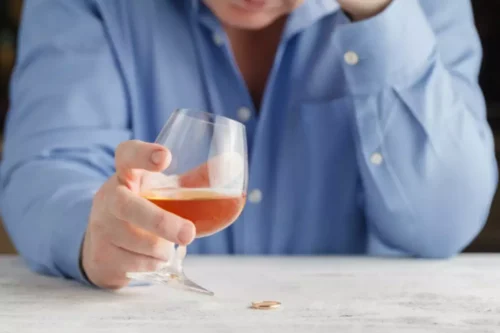
Coexisting problems such as excessive alcohol use or underlying mental illness can complicate the recovery process. Research shows there is a higher rate of substance use disorder among patients with diagnoses such as depression and those who use other substances such as alcohol. As we wrap up our journey through the landscape signs of opioid addiction of opiate addiction, it’s clear that this is a complex and challenging issue. Early intervention and treatment can make a world of difference, potentially saving lives and families. A silent killer, opiate addiction has swept across the nation, leaving a trail of shattered lives and broken communities in its wake.